
Updated
On this page
Colombia is steeped in culture and history, but it all gets concentrated in Colombia’s cities. They’re the heart of it all. Colombia’s urban landscape tells a fascinating story of cultural diversity, historical richness, and remarkable transformation.
Each city has its own distinctive character, shaped by geography, climate, and centuries of unique cultural influences. Let’s discover how these attributes create cities that are vastly different in outlook.
Which Colombian City Should You Visit?
Altitude decides almost everything about a Colombian destination: the temperature you pack for, the food on the menu, and how your first day feels. Bogotá and Cartagena sit two and a half kilometers apart vertically, and the difference between them is roughly fourteen degrees. Start here, then read the profiles below.
| Destination | Altitude | Average Temperature | Best For | Days to Allow |
|---|---|---|---|---|
| Bogotá | 2,640 m (8,660 ft) | 14°C (57°F) | Museums, restaurants, day trips | 3 to 4 |
| Medellín | 1,495 m (4,905 ft) | 23°C (74°F) | Mild weather, long stays, city life | 3 to 5 |
| Cartagena | Sea level (2 m) | 28°C (82°F) | Colonial old town, Caribbean beaches | 2 to 3 |
| Cali | 1,000 m (3,280 ft) | 24°C (75°F) | Salsa, Afro-Colombian culture, nightlife | 2 to 3 |
| Coffee Region | 1,411 to 2,160 m (4,630 to 7,090 ft) | 17 to 21°C (63 to 70°F) | Farms, wax palms, hiking | 3 to 4 |
If you only have a week, the standard pairing is Bogotá and Cartagena, which gives you the highlands and the Caribbean with one short flight between them. Two weeks lets you add Medellín and the Coffee Region, which sit close together and combine naturally. Cali rewards travelers who come for the dancing specifically, and it is the obvious gateway if the Pacific coast is on your list.
Bogotá’s altitude is worth planning around. At 2,640 meters, some visitors feel it for the first day or two, so it is often easier as a second stop than as the place you land, walk a lot, and go straight up Monserrate.
Where to Start: Four Cities and a Coffee Region
At the heart of Colombia’s urban experience lie four major cities and one rural region, each offering its own perspective on Colombian life:
Bogotá
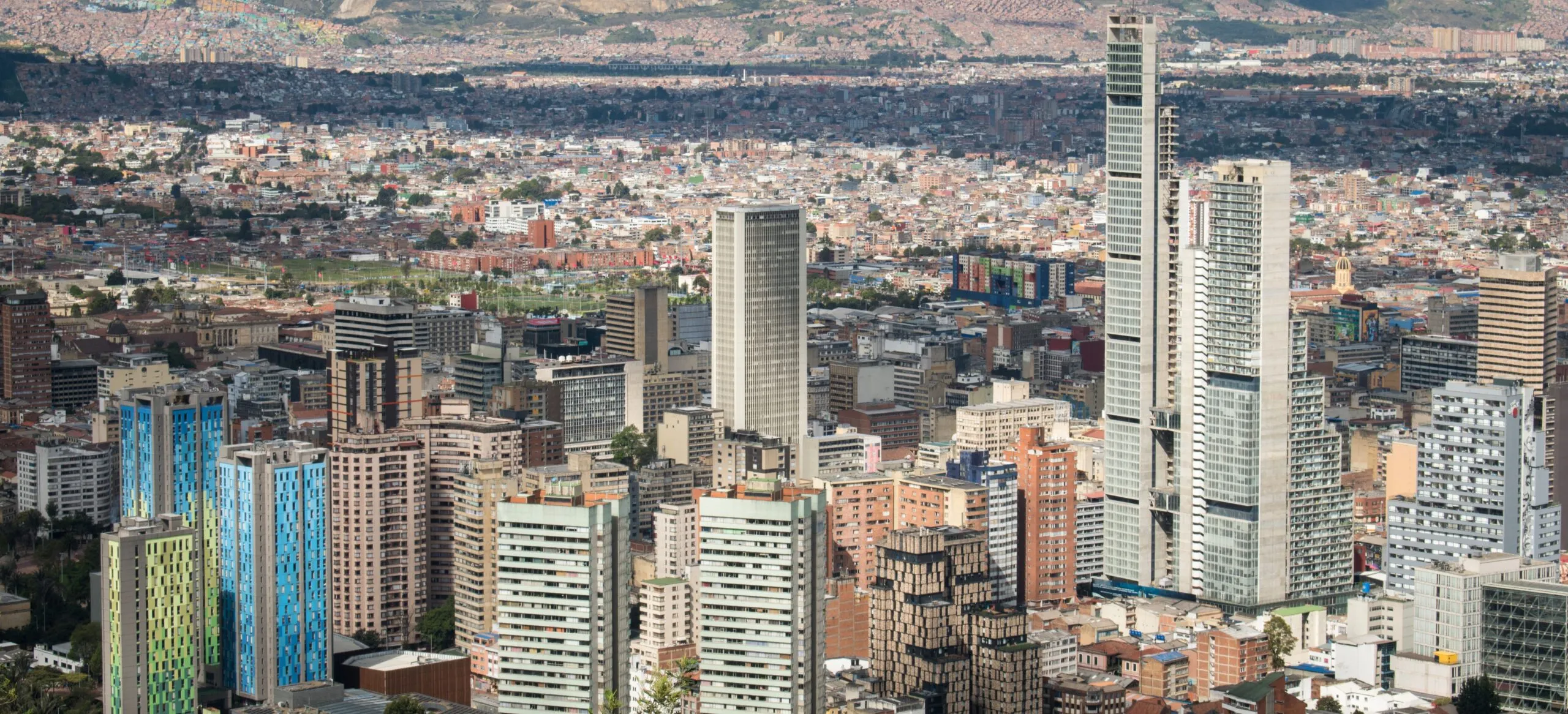
The capital, Bogotá DC, rises high in the Andes at an altitude of 2,640 meters (8,660 feet); it’s where crisp mountain air meets cosmopolitan energy. As Colombia’s political and cultural center, Bogotá blends colonial architecture with modern innovation, creating a metropolis where modern art galleries neighbor centuries-old churches, and traditional markets coexist with world-class restaurants. Bogotá City is often overlooked, but is a destination in its own right.
Cartagena
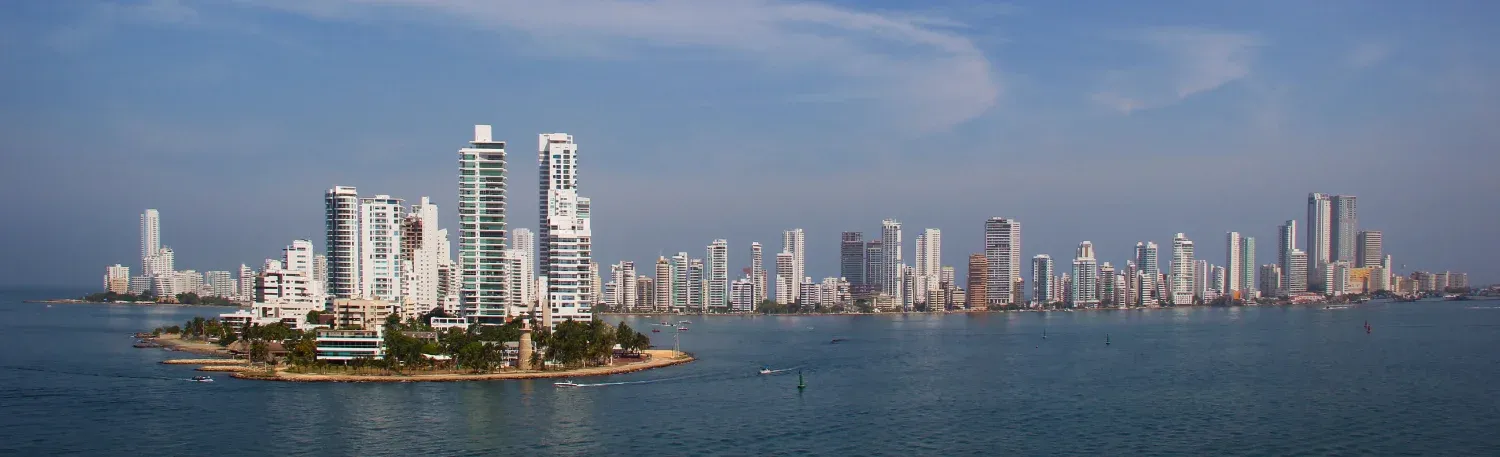
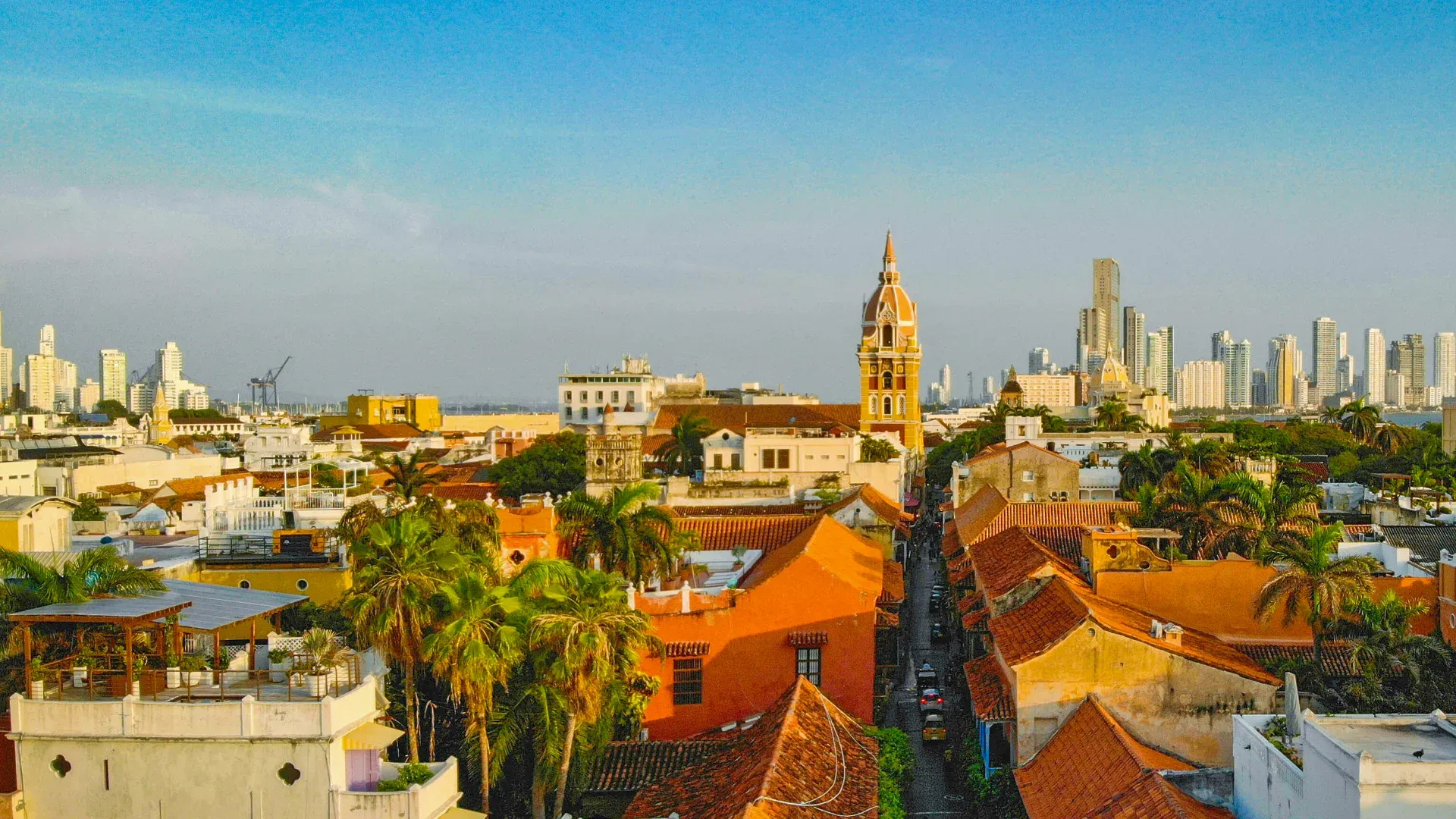
The “Jewel of the Caribbean”, Cartagena stands as a testament to Colombia’s colonial history. Cartagena’s UNESCO-protected walled city, with its colorful colonial architecture and Caribbean breezes, offers a different rhythm from its Andean counterparts. Here, history lives in every cobblestone street and seafront rampart.
Medellín
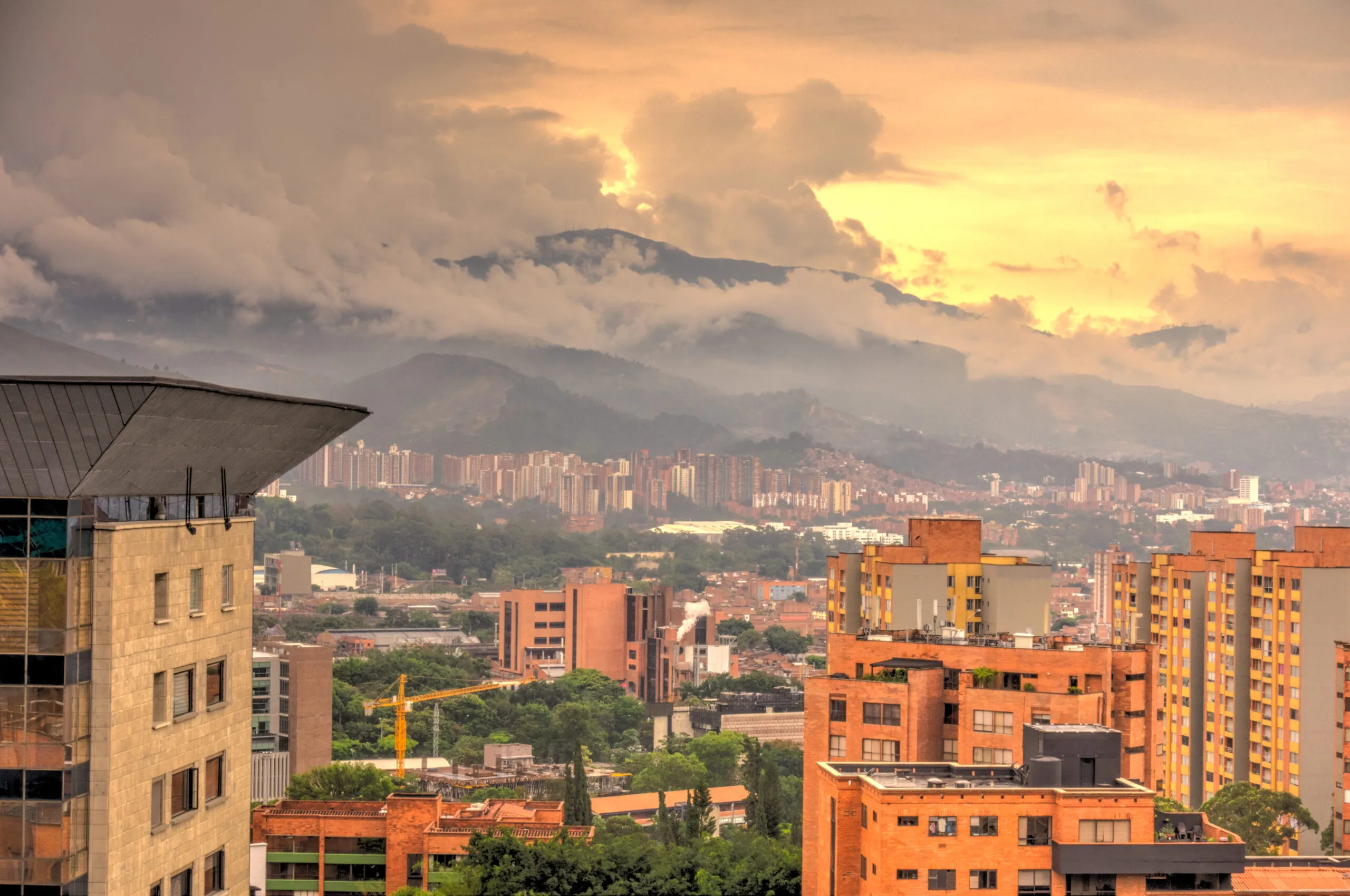
Nestled in the Aburrá Valley, the “City of Eternal Spring”, Medellín exemplifies urban transformation. Once infamous, now internationally celebrated for innovation; Medellín’s story is one of resilience and reinvention. Its comfortable climate and modern infrastructure make it a favorite among digital nomads and culture enthusiasts alike. Discover all that Medellín has to offer you.
Cali
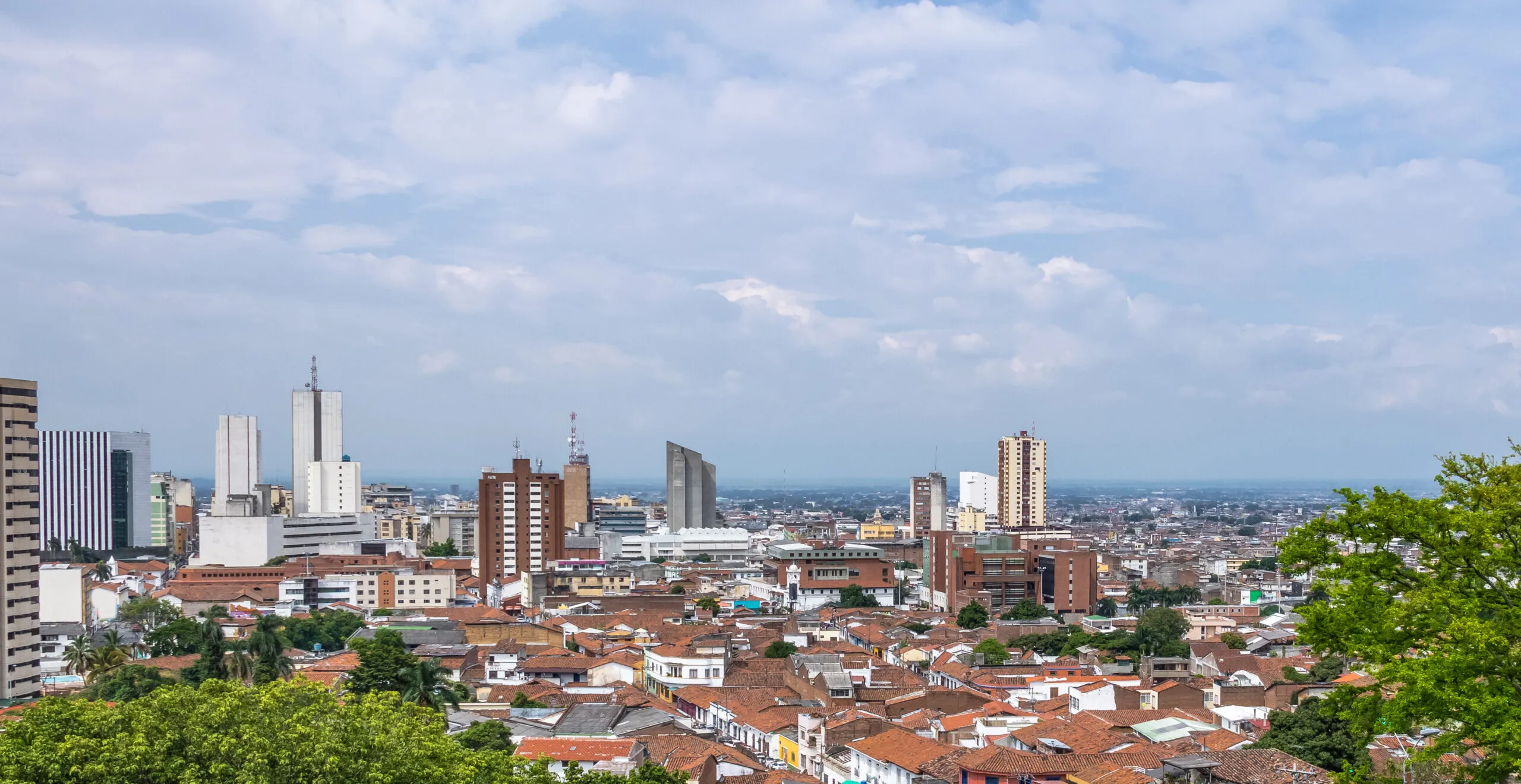
Cali City, the world’s salsa capital, pulses with an infectious energy that’s uniquely its own. Set in the fertile Cauca Valley, Cali combines its salsa heritage with a rich Afro-Colombian culture and a growing reputation for gastronomy. The city moves to its own beat, quite literally, with dance woven into the fabric of daily life.
Coffee Region
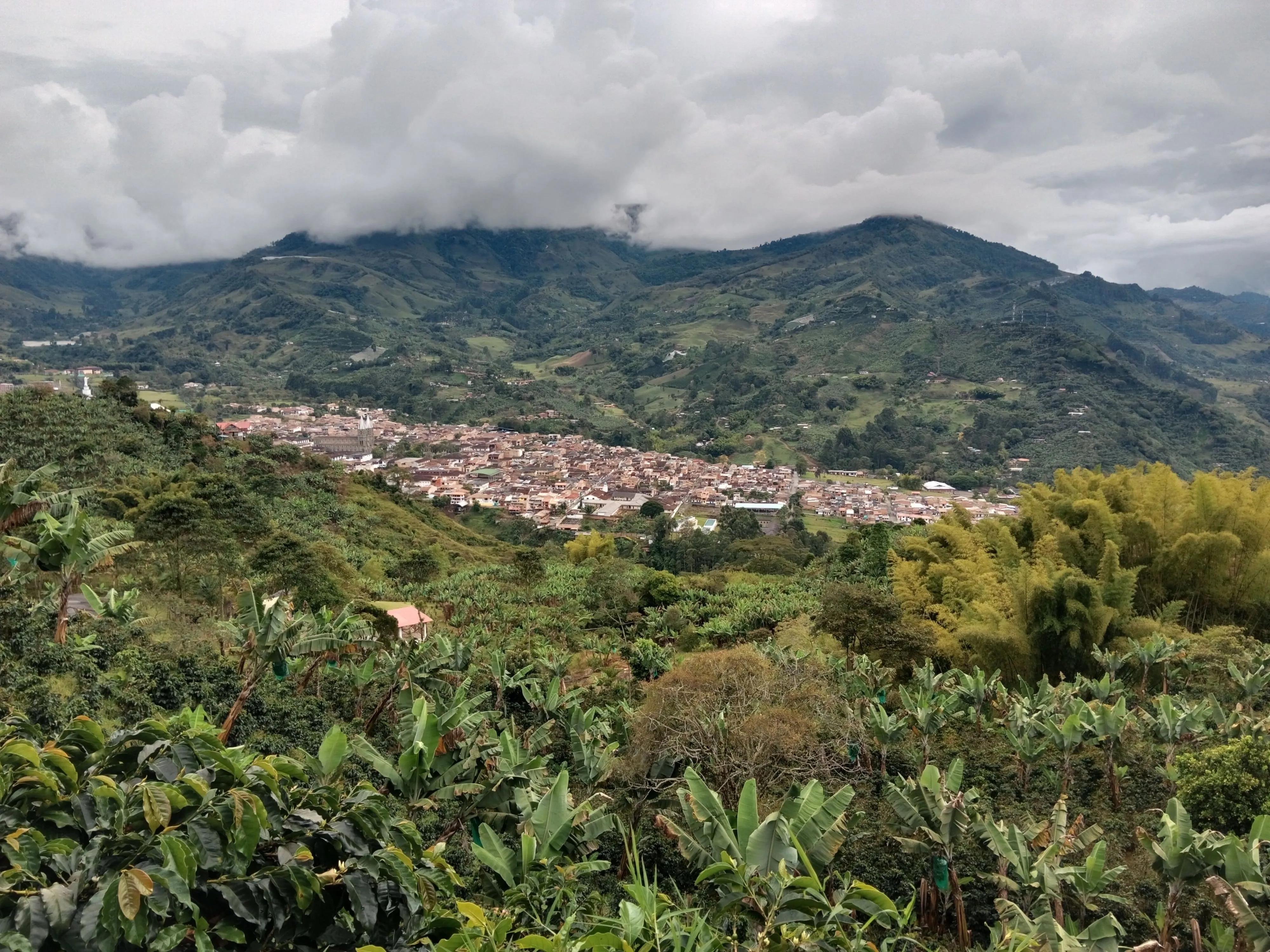
The Eje Cafetero is the one entry here that is not a city, and that is the point. Spread across Quindío, Risaralda, and Caldas, it trades urban energy for working coffee farms, the wax palms of the Cocora Valley, and small colonial towns like Salento and Filandia. Pereira, Armenia, and Manizales anchor it with airports and services, but the region is best experienced from a finca between them. It pairs naturally with Medellín, a short flight or a scenic drive away.
Geographic Diversity
Colombia’s cities showcase the country’s incredible geographic diversity:
- Andean Cities: Bogotá and Medellín represent high-altitude urban living, each with distinct mountain personalities. Bogotá embraces its elevation with cozy cafés serving hot chocolate with cheese, while Medellín has transformed its mountainous terrain into innovative public spaces that connect once-isolated neighborhoods.
- Coastal Urban Centers: Cartagena leads Colombia’s Caribbean urban experience, where history and modernity dance together within centuries-old walls. Nearby, Santa Marta and Barranquilla offer their own coastal rhythms: one a gateway to pristine beaches and Sierra Nevada peaks, the other home to a carnival that transforms streets into the world’s most colorful stage.
- Valley Settlements: Cali and the coffee-region cities nestle in fertile valleys where urban energy meets agricultural abundance. Here, sugarcane fields and coffee plantations create green borders around cities that pulse with commerce and creativity.
Cultural Mosaic
Each region’s unique cultural identity is reflected in its urban centers:
- The rolos of Bogotá, with their literary traditions and subtle humor, where bookstores outnumber nightclubs and afternoon tinto (coffee) conversations might drift from politics to poetry
- The entrepreneurial paisas of Medellín, whose innovative spirit reflects in everything from urban planning to cuisine, creating a city that’s constantly reinventing itself while honoring its traditions
- The expressive costeños of the Caribbean coast, who infuse everyday life with music and spontaneity, turning ordinary street corners into impromptu gathering spaces where strangers become friends
- The rhythmic caleños of Cali, for whom salsa isn’t just music but a way of life, evident in their walk, their talk, and their remarkable ability to transform any space into a dance floor at a moment’s notice
Beyond the Big Four
While we focus on Colombia’s four major urban centers, the country’s urban tapestry includes many other significant cities:
- Barranquilla: Home to South America’s largest carnival, where for four days, business suits are replaced by sequins and feathers, and the entire city becomes a stage
- Santa Marta: Where the Caribbean meets the Sierra Nevada, offering travelers the rare opportunity to swim in crystal waters and trek through cloud forests in a single day
- Bucaramanga: The “City of Parks,” where innovation and natural beauty blend in a metropolis that breathes through its green spaces
- Pereira: Gateway to the Coffee Cultural Landscape, where urban sophistication is perfectly balanced with agricultural heritage
- Manizales: A university town in the Coffee Region, but one with spectacular mountain views
Full guides to these cities are on the way. In the meantime, Pereira and Manizales are both covered as part of our Coffee Region guide.
Regional Connections
The cities serve as gateways into Colombia’s diverse regions, if you’re inclined to discover more of Colombia’s culture and heritage:
- Bogotá → Eastern Plains and Andean Highlands
- Medellín → Coffee Region and Antioquia’s colonial towns
- Cartagena → Caribbean Islands and coastal experiences
- Cali → Pacific Coast and southwest Colombia
- Coffee Region → Cocora Valley, Los Nevados, and the colonial coffee towns
Planning Your Urban Exploration
Each destination offers distinct experiences depending on when you visit. Our festivals guide covers the dates worth building a trip around:
- Bogotá: Year-round cultural events, with drier months December-March
- Medellín: Flower Festival in August, perfect climate year-round
- Cartagena: Best December-April, but lively year-round
- Cali: Feria de Cali in December, salsa dancing any time
- Coffee Region: Green and mild year-round, driest in December-February and July-August
Getting Between Cities
Colombia’s cities are well-connected through modern airports with frequent domestic flights, comfortable long-distance buses, and private transfer services. Getting around once you arrive is a different question in each place, and each guide below covers the metro, taxis, apps, and airport transfers you will actually use:
- How to Get Around Bogotá
- How to Get Around Medellín
- How to Get Around Cartagena
- How to Get Around Cali
- How to Get Around the Coffee Region
Start Exploring
So, you’re all set! It’s time to choose your starting point. Each destination has a full guide, plus dedicated pages on where to stay and what to do:
- Bogotá: destination guide · the essential guide · where to stay · top 15 things to do
- Medellín: destination guide · the essential guide · where to stay · top 15 things to do
- Cartagena: destination guide · the essential guide · where to stay · top 15 things to do
- Cali: destination guide · the essential guide · where to stay · top 12 things to do
- Coffee Region: destination guide · the essential guide · where to stay · top 15 things to do
Before you go, check the entry requirements and read our safety guidance for the destinations on your route.