
Updated
On this page
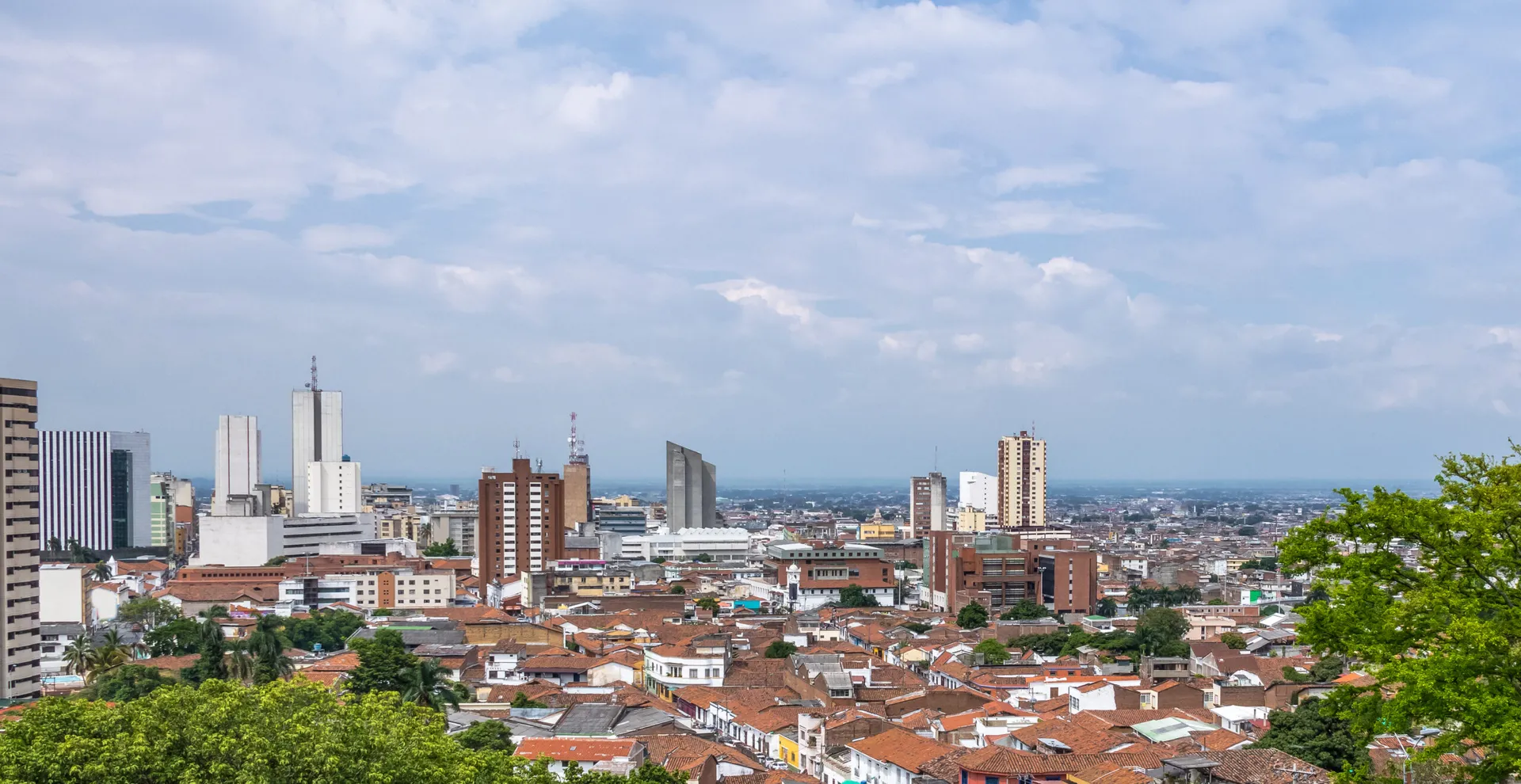
Cali moves to a salsa beat, and, fittingly, the city rewards a relaxed, rhythmic approach to getting around rather than a rushed one. Spread across a warm, mostly flat valley with the western hills rising toward Cristo Rey and Siloé, Colombia’s third-largest city is more spread out than it first looks, and the heat makes you think twice about long walks at midday. The good news: between a modern bus rapid transit system, metered taxis, the usual ride apps, and a genuinely pleasant set of walkable neighborhoods, Cali is straightforward to navigate once you know the playbook.
This guide covers every option a visitor needs: the MÍO and its hillside cable car, the MÍO card, taxis and the apps locals actually use, getting to and from Palmaseca airport, the best barrios to explore on foot, and cycling, all with current fares and the small local habits that keep things smooth (and your pesos in your pocket).
Safety Notes First
Cali is a city of sharp contrasts between neighborhoods, and conditions vary block to block and by time of day. The local wisdom is no dar papaya, “don’t give an opportunist an easy chance”: keep your phone out of sight on the street, carry valuables in a front or cross-body bag, and treat each area on its own terms rather than assuming. Some hillside and outlying comunas are best visited with a local guide rather than wandered solo; ask your accommodation about the specific places you plan to go, and read our personal safety guide for Colombia before heading out.
A phone with working data makes navigating Cali far easier, but the moment to check your map is before you step off, not mid-pavement. See our recommendations for staying connected in Colombia so you have reliable data without flashing a handset around.
The MÍO: Cali’s Bus Rapid Transit
The MÍO (Masivo Integrado de Occidente) is Cali’s backbone: a bus rapid transit network of long articulated buses running in dedicated center-lanes, run by Metro Cali. It’s the cheapest way across the city and, in its own lanes, often the fastest at rush hour. The network has three tiers that all share one fare and one card:
- Troncal: the high-capacity trunk buses in segregated lanes along the main corridors.
- Pretroncal: buses that run partly in mixed traffic to extend the trunk routes.
- Alimentador (feeder): smaller buses that connect outer neighborhoods to the trunk stations.
The Basics
The MÍO runs roughly 5:00 AM–11:00 PM on weekdays and Saturdays and 6:00 AM–10:00 PM on Sundays and holidays. A single ride is COP 3,500 (2026 rate, up from COP 3,200 during 2025 and adjusted most years), and that fare includes transfers between troncal, pretroncal, feeder buses, and the MÍO Cable. Rush hours (about 6–8 AM and 5–7 PM) pack the trunk buses tight, so off-peak travel is far more comfortable, especially with a bag.
The MÍO Card
You can’t pay the driver in cash: you need a rechargeable MÍO card (part of Colombia’s Tarjeta de Movilidad Integrada scheme). Buy one and top it up at the kiosks inside any MÍO station. Load enough for a few rides at once so you’re not queuing every trip; one card can be tapped for several people if you’re traveling together. Keep the card handy; you tap to enter the stations, not just the bus.
Routes Visitors Use
For visitors, the most useful corridors run along the city’s main avenues connecting the center with the northern dining-and-nightlife districts and the southern commercial zones. The MÍO is excellent for covering long, straight distances across town for pocket change; for the last few blocks to a specific address, pair it with a short taxi or app ride, as locals do. Station maps are posted at every stop, and the route planner helps you match a line to your destination.
MÍO Cable to Siloé
The MÍO Cable is a 2.1 km aerial gondola, the same idea as Medellín’s Metrocables, connecting the MÍO trunk at Cañaveralejo up to the hillside neighborhood of Siloé (Comuna 20) on the western slopes. It’s integrated into the MÍO fare, so it doesn’t cost extra beyond your ride. Siloé has a powerful history and improving viewpoints and street art, but it’s a real working barrio: many travelers visit on a community-led tour rather than independently, which gets you both the context and a local escort. The ride up, either way, is a quietly spectacular look over the city.
Taxis and Ride-Hailing
Where the MÍO doesn’t quite reach, taxis and apps take over. A welcome difference from Colombia’s coast: Cali taxis use meters, so rides are far less of a negotiation.
Metered Taxis
Yellow taxis are metered and widely available. The 2026 minimum fare is COP 7,100, with a surcharge at night and on Sundays and holidays; longer rides across the city cost more. Booking through an app, even for a regular taxi, gives you a record and spares you any meter “misunderstandings.” Carry small bills; change for large notes is a perennial hassle.
The Apps Locals Use
Ride-hailing sits in a long-standing legal gray area in Colombia, but the apps are used heavily day and night in Cali:
- DiDi: particularly strong in Cali, usually competitively priced, with upfront fares and multiple tiers.
DiDi Android | DiDi iOS - Uber: widely available with upfront pricing (including an option that dispatches licensed taxis); usually a bit pricier.
Uber Android | Uber iOS - inDrive: the bid-based app, where you propose your fare, drivers counter, and you choose. Often the cheapest; frequently cash.
inDrive Android | inDrive iOS
App Safety Habits
- Book in-app for a digital trail of every trip.
- Check the driver’s photo and plate before getting in.
- Share your live trip with a trusted contact, especially at night.
- Sit in the back and keep windows up in slow traffic.
- Keep cash on hand for inDrive and as a backup.
Airport Transportation
From Alfonso Bonilla Aragón (Palmaseca)
Cali’s Alfonso Bonilla Aragón International Airport (CLO), also called Palmaseca, sits about 20 km northeast, near Palmira, roughly a 35-minute drive from the center. Options:
| Option | Approx. cost (COP) | Notes |
|---|---|---|
| Airport bus (Expreso Palmira) | A few thousand pesos | Runs to Cali’s bus terminal; best value |
| Taxi | Palmira’s fixed airport rate plus the meter within Cali | ~35 min to the center with clear roads; ask for the total at the official stand |
| Uber / DiDi / inDrive | Shown in the app | Confirm the pickup point at arrivals |
| Private transfer | Varies | Pre-booked, meet-and-greet; easiest after a long flight |
The Expreso Palmira bus is the budget local favorite: it drops you at the Terminal de Transportes de Cali, which sits beside a MÍO station near the center, so you can connect onward cheaply.
A word on the travel advisories. The airport is in Palmira, just outside Cali’s city limits. The UK and Canadian governments treat the city of Palmira the same way they treat Cali, and leave it out of their warnings for the rest of the region. The US State Department draws a wider line: its “do not travel” warning covers Valle del Cauca except Cali, so on a strict reading it takes in the airport too, though it does not mention the airport by name. For arriving and departing, the practical advice is the same as in Cali: take the airport bus, an official taxi, or an app ride booked from the terminal, and head straight into the city. Our Is Colombia Safe? page compares the advisories in full (all checked October 1, 2026).
Walking in Cali
Cali is warm year-round, so locals walk in the cooler morning and evening hours and slow down at midday. The most rewarding barrios on foot:
- San Antonio: the historic hilltop quarter, with colorful houses, cafés, artisan shops, and a hill-top church with sunset views over the city.
- Granada: leafy and upscale, Cali’s restaurant heartland.
- El Peñón & Parque del Perro: walkable clusters of bars, terraces, and food, lively into the evening.
- Along the Río Cali: the riverside boulevard links several museums and the Gato de Tejada sculptures; pleasant and flat.
Stick to marked crossings, keep valuables out of sight, and after dark favor an app ride over a long walk between neighborhoods.
Cycling and the CicloVida
Cali’s flat valley floor makes for easy pedalling, and the network of bike lanes keeps growing. The highlight is the CicloVida: every Sunday from about 8 AM to 1 PM, the city closes more than 50 km of major roads to cars so Caleños can ride, run, and skate. There’s no large city-run bike-share on the scale of Medellín’s EnCicla, so for the rest of the week you’ll rely on rentals through hostels, hotels, or local shops, handy for the riverside and the flatter northern barrios.
Salsa Nights and Getting Home
You can’t write about moving around the world’s salsa capital without the night-out logistics. Many of the legendary salsa clubs are concentrated in Juanchito, across the river east of the city, and others are spread through Menga to the north and around El Peñón. These aren’t places to walk to or from late at night: agree your return plan before you go, and take a booked app ride or a club-recommended taxi both ways. It’s a few thousand pesos for genuine peace of mind, and it’s exactly what locals do.
Intercity Connections
The Terminal de Transportes de Cali, just north of downtown by the river, is the hub for long-distance buses: frequent modern coaches to Popayán, Pereira and the coffee region, Medellín, Bogotá, and the Pacific-coast gateway towns. It’s beside a MÍO station, so reaching it is cheap and simple. Buy at the terminal or online, and keep a daypack with your valuables on you rather than in the hold.
Money-Saving Tips
| Tactic | How it helps |
|---|---|
| Use the MÍO for long crossings | COP 3,500 flat, far cheaper than a taxi across town |
| Load the MÍO card for several rides | Avoids queuing and includes the MÍO Cable |
| Take the airport bus | A fraction of the taxi fare |
| Use DiDi / inDrive for taxis | Often cheaper than the meter, with a record |
| Walk the barrios in cool hours | Free, and the nicest way to see San Antonio & Granada |
| Travel off-peak | Skip the 6–8 AM / 5–7 PM crush on the trunk buses |
Navigation Apps
| App | Best for | Data needed |
|---|---|---|
| Moovit | Real-time MÍO routing | Yes |
| Google Maps | General navigation, walking, transit | Yes |
| MÍO route planner | Official lines & stations | Yes |
| Maps.me | Offline maps when data drops | No |
Key Takeaways
- The MÍO bus rapid transit is the backbone: COP 3,500 a ride, running ~5 AM–11 PM, with one card covering troncal, feeder buses, and the MÍO Cable to Siloé.
- You must use a rechargeable MÍO card (no cash to the driver); buy and top up at station kiosks.
- Cali taxis are metered: a relief after the coast, but booking via app still gives you a fixed price and a record.
- DiDi, Uber, and inDrive all operate; DiDi is especially strong locally.
- From Palmaseca airport (CLO), the Expreso Palmira bus is the budget option; taxis charge Palmira’s fixed airport rate plus the meter within Cali.
- For salsa nights in Juanchito or Menga, arrange app/taxi rides both ways rather than walking.
Conclusion
Getting around Cali is all about pairing the right tools to the right moment: the MÍO for long, cheap crossings of the valley; a metered taxi or an app for the last few blocks and for nights out; your own two feet for San Antonio’s lanes and the riverside in the cool of the morning; and a Sunday on the CicloVida to feel the city at its most joyful. None of it is complicated once you’ve got a loaded MÍO card and a ride app on your phone.
Keep your phone pocketed on the street, ask locally about the neighborhoods you’re heading to rather than assuming, and plan your way home before a late night out. Do that, and Cali opens up: warm, musical, and easy to love at its own unhurried tempo.
Related Guides
- Travel Safety Guide for Colombia
- Emergency Phone Numbers for Colombia
- Staying Connected in Colombia
- The Essential Guide to Cali
Sources
- MÍO: official site
- Alcaldía de Cali: MIO fare for 2026
- El País: Cali taxi fares for 2026 (checked October 1, 2026)
- US Department of State: Colombia Travel Advisory (issued March 31, 2026; checked October 1, 2026)
- Government of Canada: Travel advice for Colombia (updated September 29, 2026; checked October 1, 2026)
- UK FCDO: Colombia warnings and insurance (checked October 1, 2026)