
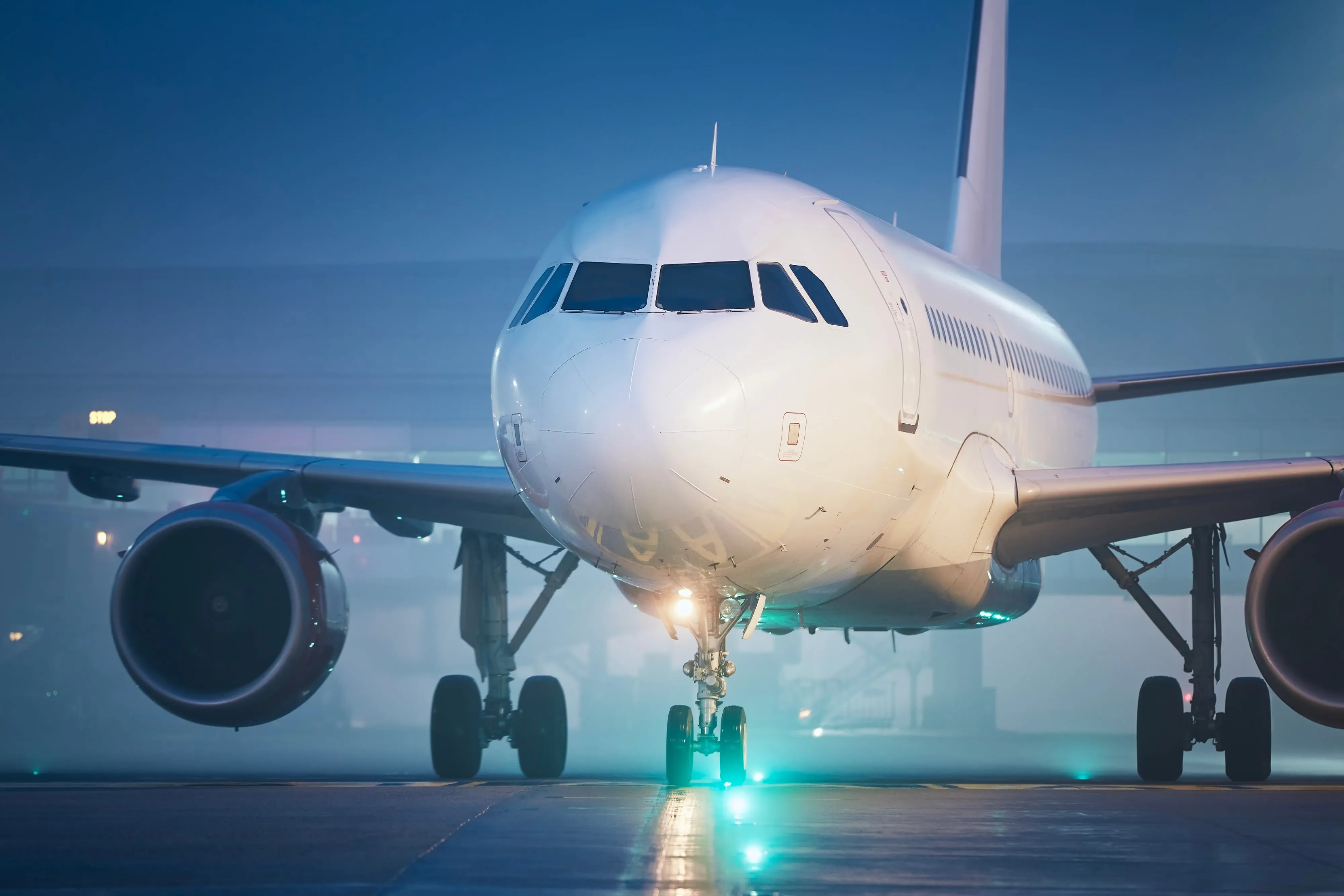
Look at a map of Colombia and the distances seem manageable. Bogotá to Medellín is about 415 kilometers by road, roughly London to Newcastle. Then you get on a bus and discover what the map does not show: three Andean mountain ranges running the length of the country, roads that switchback up one cordillera and down the next, and a journey that swallows ten hours of your day. Colombia is a country where the flight-versus-bus decision genuinely matters, and getting it right can save you days of your trip or hundreds of thousands of pesos, depending on which way your priorities run.
This guide covers intercity travel: how to weigh a domestic flight against a long-distance bus, what each actually costs, and which option makes sense on the routes travelers use most. For moving around within cities, see our local guides to Bogotá, Medellín, Cartagena, Cali, and the Coffee Region. For reaching the country in the first place, our roundup of new international routes covers which cities you can now fly into directly.
The Short Answer
Fly the long hauls, bus the short and scenic ones. Domestic flights in Colombia are frequent and, booked ahead, often cheap enough that a one-hour flight costs about the same as the twelve-hour bus it replaces. Between the Andean interior and the Caribbean coast, flying is almost always the right call unless your budget is extremely tight or you actively want the overland experience. For hops of two to five hours, buses win: they run constantly, cost little, drop you in the center of town, and roll through some genuinely beautiful country.
The rest of this guide is the detail behind that answer, because the interesting cases sit in the middle.
Why the Map Deceives
Colombia’s geography is the whole story. The Andes split into three ranges here, and most of the cities travelers move between sit in different valleys or on opposite sides of a cordillera. Roads have to climb and descend rather than run straight, they are mostly two lanes, and they share space with heavy truck traffic. Landslides and roadworks cause delays in rainy months. The practical result is that intercity buses in Colombia average well under 50 kilometers per hour over a full journey.
So calibrate your instincts: a distance that would be a three-hour drive at home is often six or more hours here. New highway projects have been shortening some corridors, but journey times remain long, and any time a bus route takes ten hours or more, a plane will usually do it in about one.
Flying Within Colombia
Colombia has one of Latin America’s busiest domestic flight networks, and competition keeps fares reasonable. The airlines you will actually choose between:
- Avianca has the widest domestic network, connecting Bogotá with virtually every city travelers visit, plus many smaller ones. It now sells low-cost-style tiered fares, so read what your fare includes.
- LATAM Colombia covers the main trunk routes (Bogotá, Medellín, Cali, Cartagena, Barranquilla, Santa Marta, and more) with competitive pricing and a solid on-time record.
- Wingo, the low-cost carrier owned by Copa, flies point-to-point routes at aggressive prices, often between cities without transiting Bogotá.
- JetSMART, a newer low-cost entrant, competes hard on price on major domestic routes.
- Satena and Clic are the regional specialists. Satena, the state-owned airline, reaches remote towns the others skip, and Clic serves smaller regional airports. You mostly meet these two when heading well off the main tourist trail.
If you researched Colombia a few years ago, note that Viva Air and Ultra Air both ceased operations in 2023. Ignore any older guide that recommends them; Wingo and JetSMART have largely filled the gap.
What flights cost. Booked a few weeks ahead, one-way fares on major routes commonly run around COP 150,000 to 300,000 (USD 48 to 95), and promotional fares dip well below that. Last-minute and holiday-period fares climb sharply, sometimes to several times those figures. The big caveat is baggage: the cheapest fare classes on every carrier, including Avianca’s basic domestic fare, include only a small personal item. A full-size carry-on or checked bag costs extra, and adding bags at the airport costs far more than adding them online in advance. Price the fare with your actual luggage before comparing it to the bus, because a COP 120,000 ticket can become COP 300,000 once bags are added.
The practicalities. Domestic check-in is quick, but airports in Bogotá and Medellín deserve buffer time for traffic; Medellín’s international airport (José María Córdova, in Rionegro) is about an hour from the city itself. Book directly on airline websites or through the usual comparison sites, and keep your passport handy, since it serves as your ID for domestic flights as a foreigner.
Taking the Bus
Colombia moves by bus. Every city has a terminal (larger cities have several) with departures to everywhere you can think of, often running around the clock on major routes. The established national operators, including Expreso Bolivariano, Expreso Brasilia, Copetran, and Berlinas del Fonce, have been at this for half a century or more, and their long-distance coaches are more comfortable than most first-timers expect: reclining seats, air conditioning, onboard toilets on longer routes, and Wi-Fi that works some of the time.
What buses cost. Long-distance fares between major cities generally run about COP 95,000 to 200,000 (USD 30 to 63), with the longest coastal runs sitting at the top of that band: Bogotá to Cali starts around COP 95,000, while Medellín to Cartagena starts nearer COP 190,000. Fares flex with demand, and companies discount online, so the same seat can vary in price day to day.
Booking. You can still walk into a terminal and buy the next departure, which works fine on busy corridors where buses leave hourly or better. For overnight buses, holiday periods, and less frequent routes, book a day or more ahead on the operator’s own site or through the Colombian booking platforms redBus and Pinbus, or the international aggregator Busbud. The platforms do not all list the same companies, so compare a couple before deciding a route “has no buses.”
What to expect on board. Two things surprise people. First, the air conditioning: Colombian long-distance buses are kept genuinely cold, and locals board with blankets. Bring a warm layer and long trousers even for a coastal route. Second, the driving and the winding roads can be vigorous; if you are prone to motion sickness, sit near the front over the axle and consider medication for the mountain routes.
Overnight buses exist on all the long routes and trade a night’s accommodation for a night in a reclining seat. They save time and money, though how well you sleep is a personal lottery. Keep your valuables in a small bag that stays on your body or in your lap, not in the overhead rack or the hold, and keep the usual habits covered in our Colombia safety guidelines; they apply to terminals and buses as much as to city streets.
What the travel advisories say about night travel. Both the British and American governments advise against travelling by road at night in Colombia. The FCDO’s guidance on public transport, updated in August 2026, notes “several recent incidents of armed robbery on buses” and advises travellers to “avoid travelling on your own or at night”, while its road advice says to avoid driving at night but describes main roads as generally safe during daylight hours. The U.S. State Department’s Level 3 advisory of March 31, 2026 tells travellers to “travel only during daylight hours”, and U.S. government staff posted to Colombia are barred outright from using any form of public transport.
That advice is easy to follow on a five-hour hop and impossible on a twenty-four-hour one. On the long coastal runs, no departure time avoids the night; you are choosing which hours of darkness you spend on the road, not whether you spend any. That is worth weighing honestly, and it is a real part of why we suggest flying the longest legs. If you do take an overnight bus, use the established operators and the main highways rather than a cheaper indirect service, keep your valuables on your body, and check the FCDO and State Department advisories for your route before you book, since both are updated through the year and are a better guide than anything we can fix in writing.
Route by Route
Bogotá to Medellín. Around 10 hours by bus through the mountains, or a flight of under an hour. Flights on this corridor are frequent and often cheap, which makes flying the default. The bus is a fair fallback if you book flights late, and the scenery through the cordilleras is legitimately spectacular.
Bogotá or Medellín to the Caribbean coast. This is the clearest case for flying, and the road times are longer than most people expect. Bogotá to Santa Marta is about 20 hours. Bogotá to Cartagena is a full day on the road: operators schedule it anywhere from 18 hours to more than 24, depending on the service and the route it takes. Medellín to Cartagena is the shortest of the three at around 14 hours. A flight covers any of them in about ninety minutes, frequently for a fare in the same range as the bus once you account for the meals and time the road trip consumes. Take the bus only if the overland journey is the point.
Bogotá to Cali. Around 11 hours by road, with fares from about COP 95,000 (USD 30), or a one-hour flight. Flying usually wins on value here, and it also avoids putting the mountain section into the middle of the night.
The Coffee Region. From Bogotá, Medellín, or Cali, the coffee towns are the middle case. Buses from Medellín or Cali reach Pereira and Armenia in roughly 3 to 5 hours (mountain roadworks can stretch the Medellín run), which is comfortable bus territory. Flights into Pereira and Armenia are short and worth checking when fares are low. Once you are there, everything moves by local bus and Willys jeep; see our Coffee Region transport guide.
Short hops everywhere. Cartagena to Santa Marta (about 4 to 5 hours), Medellín to Guatapé (2 hours), Bogotá to Villa de Leyva (3 to 4 hours): for anything in this band, just take the bus or one of the door-to-door van services (operators like Marsol on the coast) that run between hubs. Flying is not meaningfully faster once airports are factored in.
Which Should You Choose?
If your time is limited, the arithmetic is blunt: a two-week trip that flies the two or three longest legs gains one to two full sightseeing days over the same trip by bus, for a difference of perhaps COP 150,000 to 350,000 (USD 48 to 110) total, and less than that once you price the flight with the bags you actually have. Our two-week itinerary assumes exactly that pattern, flying the interior-to-coast leg and busing the rest.
If your budget is the constraint, buses cut intercity costs by roughly a third against a bare flight fare, and closer to half once bags are added, since they remove baggage fees from the equation entirely; our cost of traveling in Colombia breakdown shows where that saving fits in a daily budget. And if the journey itself is part of why you travel, the bus rides through the Andes, with fruit sellers boarding at mountain tolls and clouds sitting below the road, are an experience no flight replaces.
Most trips end up hybrid, and that is the right answer for most people: fly the long jumps, bus the rest, and check both prices before every leg, because in Colombia the answer changes with the route, the season, and how far ahead you are looking.