
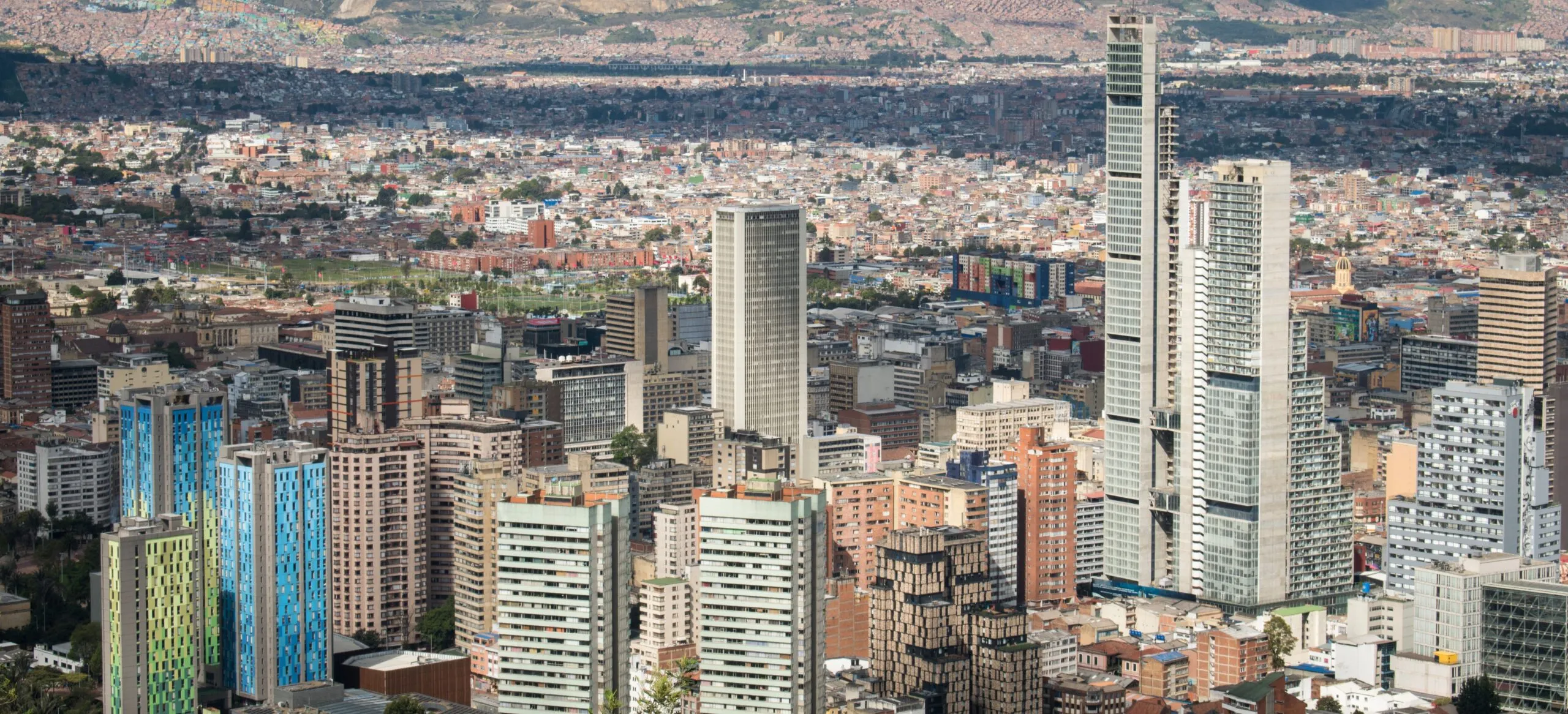
Bogotá, perched high in the Andean mountains, often lives in the shadow of Colombia’s more tourist-friendly destinations like Cartagena and Medellín. But is Colombia’s sprawling capital actually worth your precious vacation time? In a word: absolutely … but with some important caveats.
Why Bogotá Deserves Your Attention
The Cultural Heart of Colombia
Bogotá offers something increasingly rare in our globalised world: authenticity. While Cartagena caters primarily to cruise ships and beach-seekers, Bogotá pulses with genuine Colombian life. This sprawling metropolis of over 7 million people serves as Colombia’s political, cultural, and artistic center.
The Museo del Oro (Gold Museum) houses the world’s largest collection of pre-Hispanic gold work: over 55,000 pieces that tell the story of Colombia’s indigenous civilisations. No other museum in Latin America offers such a comprehensive look at pre-colonial artistry. The nearby Museo Botero showcases the distinctive works of Fernando Botero, Colombia’s most famous artist, whose voluminous sculptures and paintings have become iconic worldwide.
A True Culinary Destination
Bogotá’s food scene alone justifies the journey. The city has emerged as South America’s rising gastronomic star, with inventive chefs reimagining traditional Colombian ingredients in exciting new ways. In the Zona G (Gourmet Zone), restaurants like Leo showcase indigenous ingredients from across Colombia’s diverse ecosystems, from Amazonian fruits to Pacific seafood, that you simply won’t encounter elsewhere.
For food explorers, Mercado de Paloquemao offers a sensory adventure through Colombia’s incredible biodiversity. Here you can sample exotic fruits like feijoa, lulo, and guanábana that rarely make it to international markets. The Sunday market in Usaquén combines artisanal crafts with street food that exemplifies why Colombian cuisine deserves more global recognition.
Unmatched Urban Contrasts
Few cities offer the striking contrasts of Bogotá. In La Candelaria, 16th-century colonial buildings house everything from government offices to bohemian cafés. Street artists have transformed many of the district’s walls into canvas, creating one of the world’s most vibrant urban art scenes.
Just a few kilometers away, the sleek high-rises of the financial district reflect Colombia’s growing economic power. This juxtaposition of old and new, traditional and contemporary, creates a fascinating urban landscape unlike anywhere else in South America.
The Reality Check: What to Consider
Safety Considerations
Let’s address the elephant in the room: safety concerns still discourage many travelers from visiting Bogotá. The reality is more nuanced than outdated stereotypes suggest. Bogotá has transformed dramatically over the past two decades, but smart precautions remain essential.
Stick to recommended neighborhoods like Chapinero Alto, Zona T, Parque 93, and Usaquén for accommodations. While La Candelaria is fascinating during daylight hours with its museums and colourful streets, it’s best experienced with guided tours rather than independent wandering, especially for first-time visitors.
For transportation, use registered taxi services (called through apps) or ride-sharing platforms like Uber and DiDi rather than hailing street cabs. The TransMilenio bus system, though extensive, is generally not recommended for tourists due to pickpocketing concerns.
The Altitude Factor
Bogotá sits at 2,640 meters (8,660 feet) above sea level. This is higher than many mountain towns. This elevation affects visitors differently, but many experience mild altitude symptoms like shortness of breath or headaches. Give yourself time to acclimate before planning strenuous activities, and stay hydrated.
The altitude has an upside: Bogotá enjoys spring-like temperatures year-round, a welcome contrast to Colombia’s tropical coastal heat.
Who Should Visit Bogotá?
Perfect For:
- Culture enthusiasts seeking authentic experiences beyond the typical tourist trail
- Food lovers eager to explore one of South America’s most dynamic culinary scenes
- Art appreciators interested in both world-class museums and cutting-edge street art
- History buffs fascinated by pre-colonial civilizations and Spanish colonial heritage
- Urban explorers who enjoy discovering a city’s hidden corners and local haunts
Perhaps Less Ideal For:
- Travelers seeking a quick, effortless weekend getaway
- Those uncomfortable with navigating a large, complex city
- Visitors primarily interested in beach experiences
- Travelers unwilling to take basic safety precautions
How Bogotá Compares to Other Colombian Destinations
Unlike Cartagena’s polished colonial charm or Medellín’s perfect weather, Bogotá offers something different: depth. While you might capture Cartagena’s essence in two days, Bogotá reveals itself slowly, rewarding those who invest time to discover its layers.
Many travellers make the mistake of using Bogotá merely as an entry point before rushing to other destinations. This approach misses the capital’s unique appeal and cultural significance.
The Unique Experiences Only Bogotá Offers
Monserrate’s Magnificent Perspective
Taking the teleférico (cable car) up to Monserrate provides an unparalleled view of Bogotá’s vast urban expanse against the backdrop of the Andes. This panorama helps visitors comprehend the sheer scale of this metropolis and its dramatic natural setting. While hiking paths exist, the cable car is both safer and more efficient for tourists.
World-Class Museums in Concentration
No other Colombian city offers such a concentration of exceptional museums. Beyond the aforementioned Gold Museum and Botero Museum, institutions like the Museo Nacional (housed in a former prison) and the Museo de Arte Moderno de Bogotá (MAMBO) showcase everything from pre-Colombian artifacts to cutting-edge contemporary art.
Sunday Ciclovía: A City Transformed
Every Sunday, Bogotá closes over 120 kilometers of main streets to cars for the Ciclovía, transforming the city into a massive public park. Millions of residents bike, jog, walk, and participate in free exercise classes. Joining this weekly tradition offers insights into Bogotano life impossible to gain otherwise—and represents urban innovation other cities worldwide have sought to emulate.
The Birthplace of Colombian Coffee Culture
While coffee grows in Colombia’s rural regions, Bogotá has pioneered the country’s third-wave coffee movement. Specialty cafés like Amor Perfecto and Catación Pública serve single-origin Colombian beans with meticulous preparation methods. For coffee lovers, these cafés offer deeper appreciation of one of Colombia’s most famous exports.
Final Verdict: Is Bogotá Truly Worth Visiting?
For travellers seeking authentic cultural immersion, culinary discovery, and a deeper understanding of Colombia beyond postcard perfection, yes … Bogotá is absolutely worth visiting.
The city rewards curious explorers with experiences unavailable elsewhere: gold artifacts that changed world history, urban art that speaks to Colombia’s complex social realities, and a culinary scene that showcases the country’s incredible biodiversity.
Bogotá requires more from its visitors than some destinations. Awareness, adaptability, and a willingness to look beyond surface impressions. But isn’t that precisely what meaningful travel is about? The most rewarding destinations are rarely the easiest or most comfortable.
Those willing to engage with Bogotá on its own terms discover a fascinating city that challenges preconceptions and offers rich cultural rewards. Colombia’s capital may not be love at first sight for everyone, but like many profound relationships, it grows more compelling the longer you know it.
So is Bogotá worth visiting? If you value depth over convenience and authenticity over polish, the answer is a resounding yes.
To get started, here are 15 things to do in Bogotá.
Revised extensively: February 28, 2025