
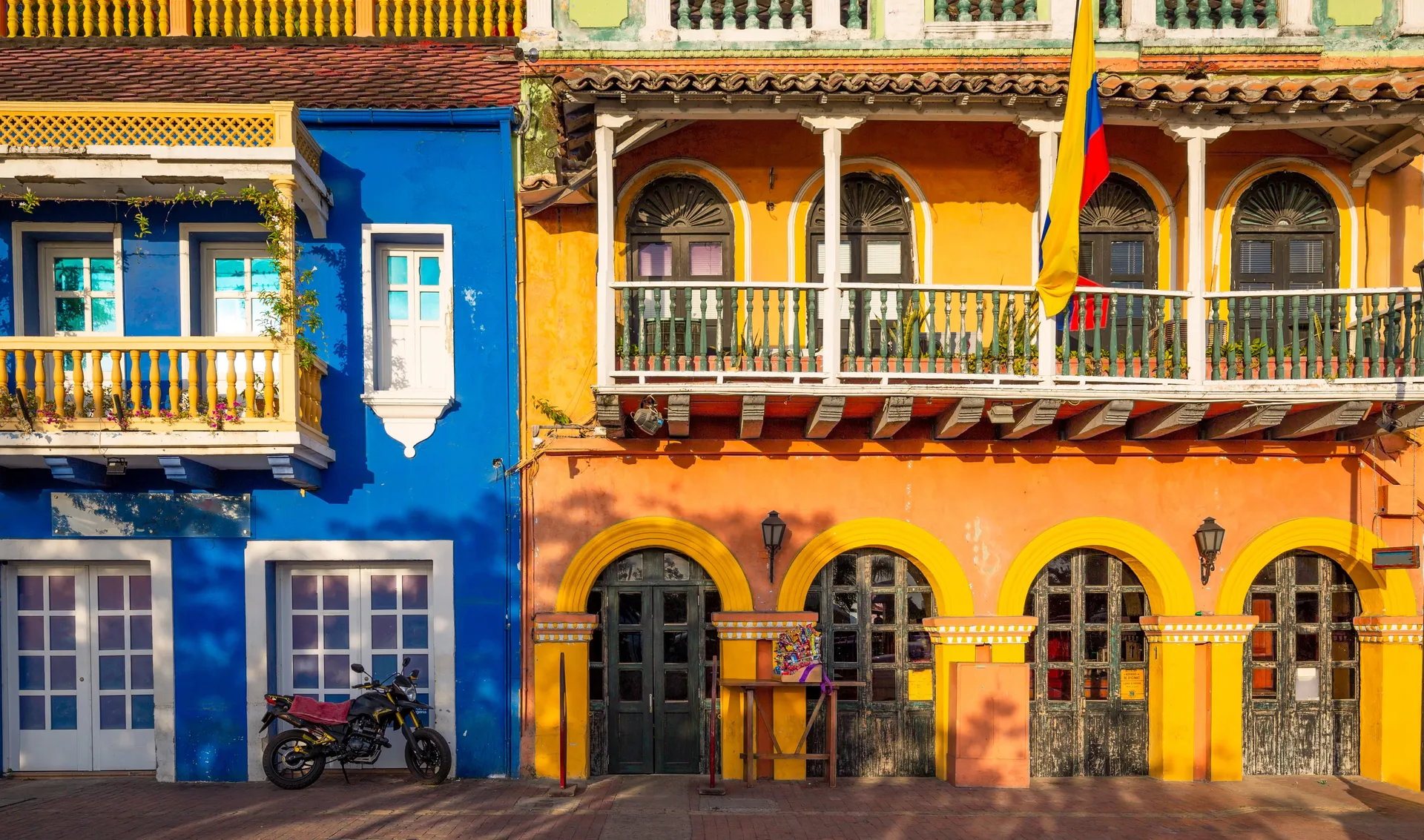
Ten days is enough to see the best of Colombia without spending your trip in transit, provided you plan the route with a little discipline and lean on a couple of short domestic flights. This itinerary strings together four of the country’s signature places: the high Andean capital, the reinvented city of Medellín with a day at the lake town of Guatapé, the green hills of the Coffee Region, and the Caribbean walls of Cartagena. The pace is brisk but never frantic, with two or three nights in each base so you are unpacking less and exploring more. Every transport hop below uses a fare and a duration we checked while writing, quoted in Colombian pesos with a rough dollar figure alongside. Prices move with demand and the season, so treat these as planning figures and confirm before you book.
The plan uses flights for the two longest jumps, which keeps the days on the road short and leaves your energy for the places themselves. Read it through once, then trim or swap legs to suit your own tastes and arrival airport.
Days 1-2: Bogotá
International flights almost always land in Bogotá, so the capital is the logical place to begin and to let your body adjust. The city sits at about 2,600 meters, and the thin air can leave you winded for a day or so, which is another reason to start slow here rather than in the mountains later.
Give your first full day to La Candelaria, the historic core, where colonial and republican facades stack up the hillside in ochre, brick, and painted wood. The Plaza de Bolívar sits at the center, framed by the cathedral and the halls of government. Two museums are unmissable: the Museo del Oro, whose pre-Hispanic goldwork ranks among the finest in the Americas, and the Botero Museum, a free collection of the artist’s plump figures shown alongside pieces by Picasso and Monet. Late in the day, ride the funicular or cable car up Monserrate, the church-crowned peak above the city, for a long view across the valley as the light fades.
Use your second day for the newer city and whatever draws you: the street art of the center, the cafés of Chapinero and the Zona G, or, if you are here on a Sunday, the Ciclovía, when main avenues close to traffic and fill with cyclists and families. Our guide to the top 15 things to do in Bogotá sorts the city by neighborhood, and our where to stay in Bogotá guide helps you settle on a base, with most first-timers happiest around La Candelaria or the more polished streets of Chapinero and Usaquén.
Getting to Medellín: Flying is the only sensible choice for this leg. Bogotá to Medellín takes about an hour in the air, with Avianca and LATAM running the route many times a day and one-way economy fares starting around COP 150,000 (about USD 47) when booked ahead, climbing steeply close to departure. Most flights land at José María Córdova airport in Rionegro, roughly an hour by road from central Medellín, so factor in the transfer when you plan your first afternoon.
Days 3-5: Medellín and Guatapé
Medellín is the country’s great turnaround story, a city of perpetual spring folded into a steep green valley and remade over the past two decades into one of Colombia’s most inventive places. Spend your first day reading the city from above. Ride the Metro and then the Metrocable, the cable cars that climb to the hillside barrios, for a clear picture of how the place fits together. In Comuna 13, once notorious and now wrapped in murals and served by open-air escalators, a guided walk tells the story of that change from the people who lived it. When evening comes, the bars and kitchens of El Poblado and the more residential Laureles fill up.
Base yourself in El Poblado or Laureles for easy reach of food and nightlife, and set aside your second full day for Guatapé. About two hours east, a lone granite dome called El Peñol rises more than 200 meters above a sprawling blue-green reservoir, and the lakeside town wears some of the most colorful streets in the country, its walls trimmed with hand-painted panels known as zócalos. You can climb the roughly 700 steps to the top of the rock, drift across the water by boat, and wander the painted lanes in one full day. Buses leave from Medellín’s Terminal del Norte roughly every half hour and cost around COP 20,000 to COP 22,000 (about USD 6 to 7) each way, taking about two hours. Our complete guide to Guatapé and El Peñol lays out how to time the day and dodge the biggest crowds.
Keep your third day for whatever the city pulls you toward: the botanical garden, the Museo de Antioquia and its Botero-filled plaza, or a paragliding flight over the valley from the surrounding ridges. Our roundup of the top 15 things to do in Medellín lays out the choices.
Getting to the Coffee Region: The quick way south is to fly. Medellín to Pereira takes about 50 minutes, with one-way fares often starting around COP 130,000 (about USD 40) when booked ahead. From Pereira’s Matecaña airport it is roughly an hour by road to Salento. If you would rather stay on the ground and watch the mountains go by, long-distance buses cover the route in about five to six hours.
Days 6-7: The Coffee Region
Make Salento your base, the small, brightly painted town that anchors Colombia’s coffee country in the department of Quindío. Two nights is tight but workable, enough for the two headline outings if you start early. Our complete Coffee Region travel guide covers the logistics in depth, the Coffee Region hub gathers everything the area offers, and our guide to where to stay in the Coffee Region helps you pick a town and a farm stay.
Devote your first morning to the Cocora Valley, a green bowl of cloud forest bristling with wax palms, Colombia’s national tree and the tallest palm on earth at up to 60 meters. Old Willys jeeps gather in Salento’s plaza from around 6:30 AM and rattle out to the trailhead in about half an hour for roughly COP 12,000 round trip (about USD 4). You can stroll the flat lower meadows for the classic photographs in an hour or two, or take on the full loop of five to six hours through forest, river crossings, and palm-draped ridges. Our Salento and Cocora Valley guide covers the route step by step.
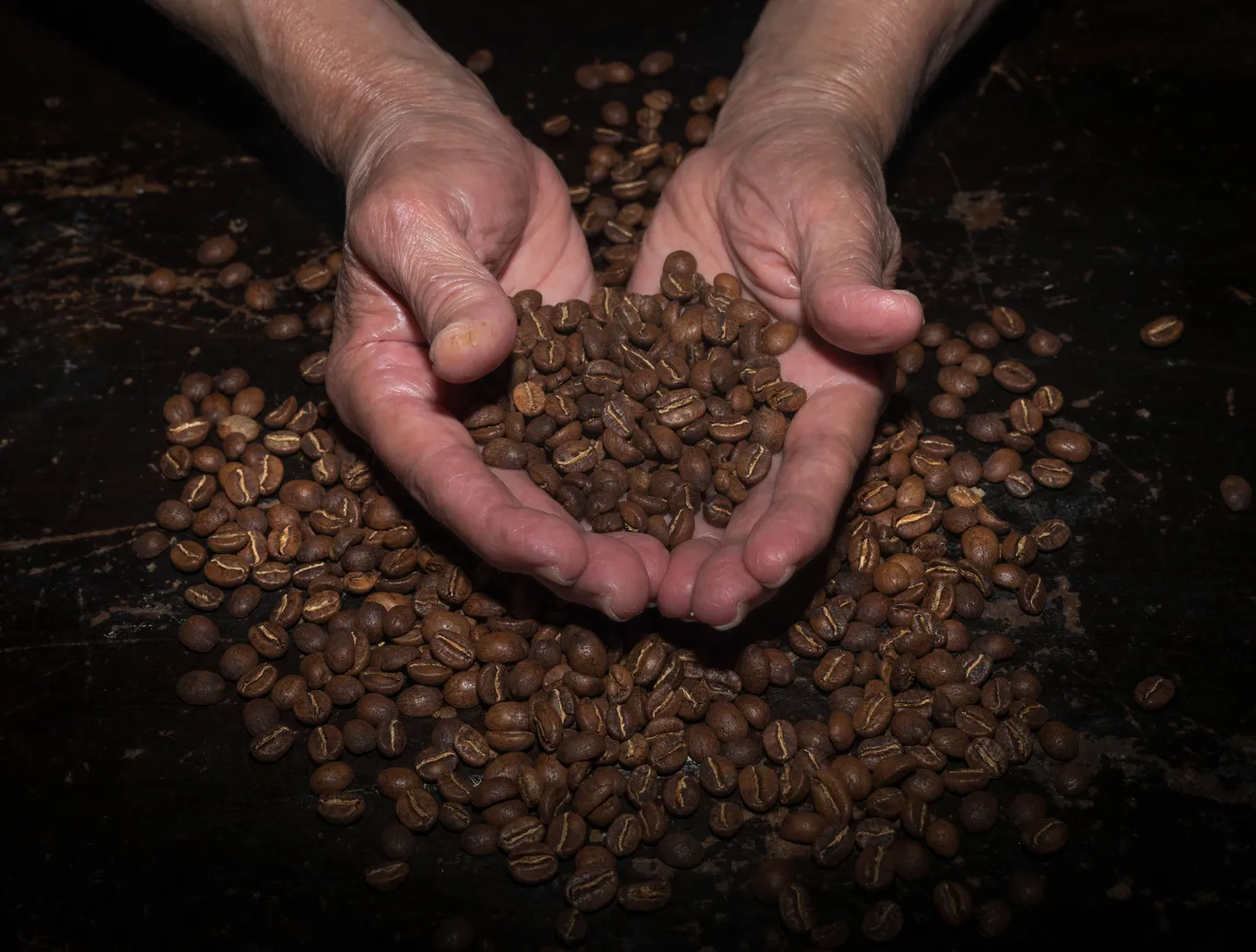
Give the following morning to a working coffee farm. A finca tour walks you along the whole chain, from picking ripe cherries on the slope to washing, drying, roasting, and finally tasting a cup of what you just watched being made. Farms around Salento and neighboring Filandia run tours in Spanish and English, typically for COP 50,000 to COP 80,000 (about USD 16 to 25) per person depending on the length, and booking a day ahead is wise in high season. To understand what ends up in your cup, read our overview of Colombia’s coffee culture. If your afternoon stays clear, ride a jeep to quieter Filandia and its lookout tower, or simply linger over the town’s cafés. Our roundup of the top 15 things to do in the Coffee Region holds more than two days can fit, and our guide to getting around the Coffee Region explains the jeep and bus links between the towns.
Getting to Cartagena: This is the trip’s one long leap, and flying is the only practical way to do it. A nonstop from Pereira to Cartagena takes about an hour and 20 minutes, with fares starting around COP 152,000 (about USD 47) when booked in advance. Nonstop seats are limited, so many itineraries connect through Bogotá or Medellín, which pushes the door-to-door time to roughly half a day. Book early to hold the direct flight and the lower fare.
Days 8-10: Cartagena
Swapping cool highlands for Caribbean heat, Cartagena is Colombia’s most seductive city, a walled colonial port of balconied mansions, bougainvillea, and horse-drawn carriages. The humidity is genuine, so load your sightseeing into the cooler morning and evening and take the afternoons slowly.
Spend your first day inside the Ciudad Amurallada, the walled old town, mostly on foot. The plazas, churches, and color-soaked streets are the whole point, best taken in slowly with frequent stops for a limonada de coco in the shade. Walk a stretch of the old stone ramparts at sunset, when the light turns gold and the sea breeze finally arrives, then cross into the bohemian Getsemaní district just outside the walls, where street art, courtyard bars, and evening plaza life have made it the city’s most vibrant quarter. The hilltop Castillo San Felipe fortress and the Cerro de la Popa monastery fill out the history for those who want it.
On your second day, get out on the water. Boats from the tourist port run to the Islas del Rosario, a coral archipelago with clearer water and calmer beaches than the city shoreline offers, either as a day trip or an overnight on one of the smaller islands. Save the final day for whatever you missed: a cooking class, a Palenque cultural tour tracing the region’s Afro-Colombian roots, or simply more time among the walls before your flight home. Our guide to the top 15 things to do in Cartagena has the full spread, and our where to stay in Cartagena guide sorts the walled city, Getsemaní, and the beachfront Bocagrande high-rises.
If You Have More Time
If you can stretch the trip past ten days, the natural add-on is the coast east of Cartagena, where the mountains of the Sierra Nevada drop straight to the sea at Santa Marta and Parque Nacional Natural Tayrona, plus an extra night or two in the Coffee Region to slow the pace. Our 2-week Colombia itinerary builds exactly that, folding Santa Marta and Tayrona onto the end of a similar loop and giving each base an extra day to breathe. It is the version to reach for when two weeks, rather than ten days, is on the table.
Costs
Colombia is affordable by international standards, though your total shifts a lot with how you travel. As a rough per-person guide for ten days, not counting international flights to and from the country:
- Internal transport: The three domestic flights on this route, Bogotá to Medellín, Medellín to Pereira, and Pereira to Cartagena, plus the Guatapé buses and airport transfers, come to roughly COP 450,000 to COP 700,000 (about USD 140 to 215) when you book the flights ahead.
- Accommodation: Budget hostel dorms run around COP 40,000 to COP 80,000 (about USD 12 to 25) a night, while comfortable midrange hotels land closer to COP 200,000 to COP 400,000 (about USD 62 to 125).
- Food and activities: A set-menu lunch costs COP 15,000 to COP 30,000 (about USD 5 to 9), a sit-down dinner more, and paid attractions like a coffee tour, the Guatapé rock, and a Rosario Islands boat add up across the trip.
A careful budget traveler can cover the ten days for well under COP 3,000,000 (about USD 930) plus international airfare, while a midrange trip with private rooms and the odd tour lands closer to double that. For a fuller breakdown, see our guide to the cost of traveling in Colombia.
When to Take This Trip
Colombia sits close to the equator, so it has no true summer or winter, only wetter and drier stretches that shift by region. Broadly, the drier months of December to February and again around July and August bring the steadiest weather across the highlands and the coast, which is also why they are the busiest and most expensive. The shoulder months of March and around September to November see thinner crowds and softer prices, with a better chance of afternoon rain that rarely wrecks a well-planned day.
Because this route crosses several climates, no single window is flawless everywhere, and the Coffee Region stays green precisely because it can rain in any month, so pack a light waterproof whenever you come. Keep an eye on the Colombian holiday calendar as well: long weekends, called puentes, and the late-December and Easter breaks fill domestic flights, buses, and honeypots like Guatapé, so book ahead if your dates land on one. For a month-by-month look, see our guide to the best time to visit Colombia. Whichever week you choose, ten days on this route hands you the country in miniature: the Andes, the coffee hills, and the Caribbean, without a single wasted day.