
Updated October 1, 2026: the Coffee Region after the August earthquake.
A magnitude 7.4 earthquake struck western Colombia on August 10, 2026, and Risaralda, Quindío, and Caldas were among the departments damaged. By early September the region was receiving visitors again: Pereira’s Matecaña airport reopened to commercial flights on August 26, Panaca, Bioparque Ukumarí, and the Parque Nacional del Café reopened after structural checks, and Salento’s town hall said there were no restrictions on visiting. That is not the same as saying the recovery is over. Reconstruction will take years, and some hotels were still closed in late August. Book your accommodation before your flights, and confirm current conditions with your hotel or operator before you follow this itinerary. Our September recovery update sets out what has reopened, with sources.
The guide below was written before the earthquake.
Colombia’s Coffee Region, the Eje Cafetero, is one of those places that rewards a slow visit more than a fast one. Give it three days and you can fold in the two signature experiences, a working coffee farm and the wax palms of the Cocora Valley, plus one quieter town. Give it four or five and you start to reach the calm corners, the hot springs, and the high páramo that turn a nice detour into the part of the trip people remember most. This is a Salento-based itinerary, built so you keep one bed and take day trips out from it rather than packing and unpacking every morning. It layers cleanly: do the core three days, then add a fourth and a fifth without rearranging anything.
Every fare, tour price, and entry fee below comes from a search we ran while writing, quoted in Colombian pesos with a rough dollar figure alongside at about COP 4,000 to the dollar. Rural operators change their rates often, many take cash only, and prices move with season and demand, so treat these as planning numbers and carry pesos. For the wider logistics behind this plan, our complete Coffee Region travel guide covers getting there, where to base, and how a farm tour works, and our Coffee Region overview sets the scene across the whole region.
Before You Start: Getting to Salento
Most people reach the region by air. Flights from Bogotá or Medellín to Pereira (PEI) or Armenia (AXM) take about an hour, with one-way fares commonly falling between COP 120,000 and COP 350,000 (about USD 37 to 110) depending on how far ahead you book. Armenia’s El Edén airport is the closest to Salento, roughly 40 minutes by road; from Pereira it is closer to an hour and a half. If you arrive by bus, you transfer at Armenia’s terminal and pick up a frequent local bus for the last 40-minute leg to Salento for only a few thousand pesos. Once you are on the ground, our guide to how to get around the Coffee Region covers the Willys jeeps, local buses, and taxis that link everything in this plan.
Try to arrive the afternoon or evening before Day 1 so you can start early. The best of Cocora and the farms happens in the morning, before the cloud rolls in and the day-trip crowds arrive from Armenia and Pereira.
Day 1: Salento and a Coffee Farm
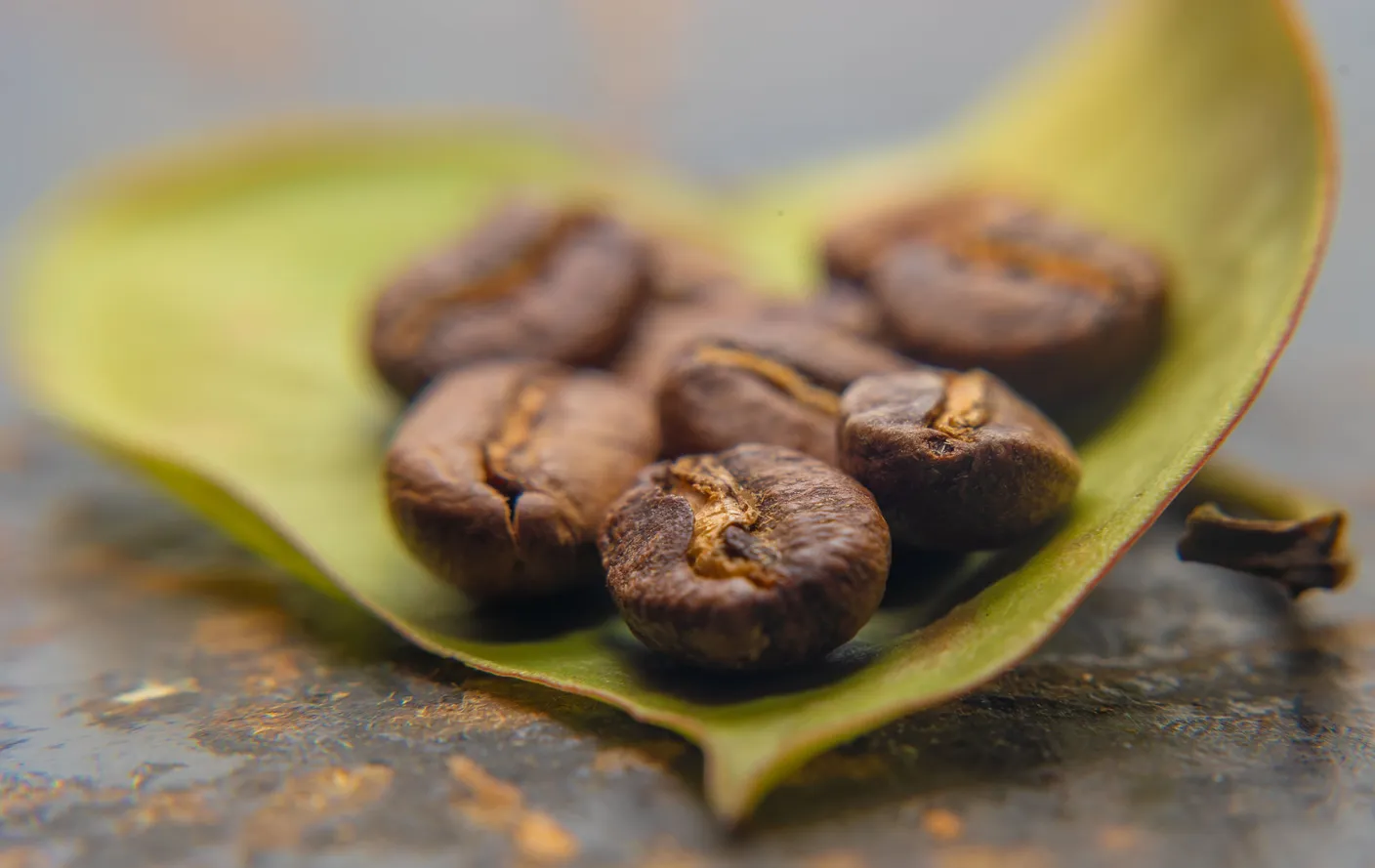
Start where the region started, on a working finca. A farm tour is the experience most people come here for, and it is worth doing even if you are not especially into coffee. You walk the hillside rows, learn how the plants grow on these steep slopes, try your hand at picking ripe cherries, watch the beans get depulped, dried, and roasted, and finish with a tasting of coffee made on the spot.
Near Salento, Finca El Ocaso is the best-known farm, about a 15-minute Willys jeep ride south of town. Its traditional tour runs around COP 50,000 per person (about USD 16) for roughly 90 minutes, with English departures set for specific morning times, so book ahead; a longer, smaller-group premium tour of about three hours runs closer to COP 80,000 (about USD 25). The public jeep out to the farm costs only about COP 3,000 (about USD 0.90). For a more intimate, guide-led experience within walking distance of the center, Finca Don Eduardo runs around COP 90,000 to 110,000 (about USD 28 to 34) and is known for knowledgeable hosts. To understand what you are drinking and why the growing traditions here matter, read our coffee culture guide before you go.
Back in town by early afternoon, give the rest of the day to Salento itself. Walk Calle Real, the pedestrian-friendly main street lined with artisan shops and flag-draped balconies, and climb the colorful steps of the Alto de la Cruz to a viewpoint over the town and the Cocora foothills, which costs nothing but a little energy. In the evening, head to a tejo court such as Los Amigos, where you throw a metal puck at a clay bank set with small packets of gunpowder that go off with a bang. Playing is traditionally free as long as you buy drinks, with beers around COP 3,500 (about USD 1.10). It is loud, unpretentious, and a genuinely fun way to spend a first night. Our Salento and Cocora Valley guide has more on the town.
Day 2: The Cocora Valley
This is the day you build the trip around. The Valle de Cocora is a green bowl of cloud forest studded with wax palms, Colombia’s national tree and the tallest palm in the world at up to 60 meters. Old Willys jeeps gather in Salento’s main plaza from around 6:30 AM and rattle out to the trailhead in about 25 minutes for roughly COP 12,000 round trip (about USD 4). Go early: the light is best, the palms are clearest before the cloud settles, and you beat the crowds.
The classic loop runs roughly five to six hours through pasture, river crossings, and forest before climbing to the palm-covered ridges. It is a real mountain hike and often muddy, so wear shoes with grip. The trail crosses private land, so carry cash for small entry fees of around COP 10,000 to 30,000 (about USD 3 to 9) depending on the loop you choose. About midway, a signed uphill branch climbs 45 minutes to an hour to the Acaime reserve, where dozens of hummingbirds swarm the feeders around a rustic cafe; entry is around COP 20,000 (about USD 6) and includes a hot chocolate or coffee, which most hikers welcome after the climb. If a five-hour hike is not your thing, you can simply walk the flat lower section for the famous photographs and still feel the scale of the place. Our Salento and Cocora Valley guide walks the route step by step.
Back in Salento by mid-afternoon, you have earned a slow evening. This is a good night for a long dinner of trout, the local specialty, served a dozen ways around the plaza.
Day 3: Filandia
Trade the crowds for calm. Filandia is Salento’s quieter sibling, about 30 to 45 minutes away by jeep or bus, with the same brightly painted balconies and far fewer tour buses. Jeeps and buses run through the day for a few thousand pesos, so you can go over after a slow breakfast.
The town’s highlight is the Mirador Colina Iluminada, a tower on a hill about a 15-minute walk above the main square with a 360-degree panorama across Quindío and Risaralda; entry is around COP 8,000 (about USD 2) for adults, and it is especially good in clear afternoon light. Filandia also keeps a strong tradition of basket weaving, and its craft shops, still turning out woven pieces by hand, are among the best in the region. Spend the day at village pace: a long lunch, the craft workshops, and a coffee on the plaza. If you would rather swap in a second, even smaller farm here, the family-run fincas around Filandia keep groups small and typically run COP 40,000 to 90,000 (about USD 12 to 28) per person; ask at your accommodation or the local tourism office.
Three days done, you have covered the region’s essentials without rushing. If your trip ends here, you leave having seen the best of it. If you have more time, the next two days are where the Coffee Region tends to win people over.
With 4 Days: Hot Springs at Santa Rosa de Cabal
Add a fourth day and spend it soaking. The thermal springs at Santa Rosa de Cabal, fed by natural mineral water and set beside a waterfall, are the region’s most popular soak and an easy way to recover after the Cocora hike. There are two developed complexes in the hills above the town, both with steaming pools of varying temperatures ringed by green hillsides.
Day passes run around COP 41,000 (about USD 13) for adults booked online on a weekday, rising to about COP 59,000 (about USD 18) at the gate or on weekends, so confirm the current rate on the official Termales de Santa Rosa de Cabal site before you go. Santa Rosa de Cabal sits about 30 minutes from Pereira and can be reached from Salento in around two hours by bus with a change; going with a small tour that bundles transport is often the least fussy option. It gets busy on weekends and holidays, so a weekday visit is calmer. For a wilder, more forest-wrapped alternative, Termales San Vicente sits in a private mountain reserve with a natural thermal river where hot and cold water mix among the rocks; day passes there start around COP 90,000 (about USD 28), and the rough access road means you should reserve transport ahead.
With 5 Days: A Second Finca or the High Páramo
The fifth day is for going either slower or higher, depending on what you are after.
For slower, book a night on a coffee finca rather than in town. Sleeping on a working farm, waking to mist over the rows and the smell of roasting beans, is a different experience from day-tripping to one, and it is the single change that most reliably turns this trip into the one people talk about afterward. Our guide to where to stay in the Coffee Region compares finca stays against town bases with verified nightly rates across budget, mid-range, and upscale tiers, so you can pick one that fits.

For higher, aim for Los Nevados. The national park reaches into glacier-topped páramo above Manizales, and because Nevado del Ruiz has sat on volcanic alert for years, visitor access is limited to the lower Valle de las Tumbas sector at around 4,450 meters. The moonscape of the páramo, the strange furry-leaved frailejón plants, and the thin cold air are still worth the trip. This is a guided outing, not a casual walk: you must enter with an authorized operator, and full-day trips from Manizales or Pereira start around COP 390,000 (about USD 120) per person, including transport and guide. The park’s non-resident foreigner entry fee is paid separately on top, around COP 68,000 (about USD 21), plus mandatory ecotourism and insurance fees that bring the total closer to COP 95,000 (about USD 30). The altitude and weather are demanding, so treat this as a serious mountain day and dress for near-freezing conditions. For the full menu of options beyond these, our roundup of the top 15 things to do in the Coffee Region holds more than five days can fit.
What It Costs
The Coffee Region is affordable by international standards. The table below gathers the per-item costs used in this itinerary, in COP with rough USD equivalents.
| Expense | Typical cost (COP) | Approx. USD |
|---|---|---|
| Hostel dorm bed | 45,000 to 70,000 | 11 to 18 |
| Private room or mid-range hotel | 150,000 to 400,000 | 38 to 100 |
| Lunch at a local restaurant | 15,000 to 35,000 | 4 to 9 |
| Coffee farm tour | 50,000 to 110,000 | 12.50 to 27 |
| Willys jeep to Cocora (round trip) | 12,000 | 3 |
| Cocora trail entry fees | 10,000 to 30,000 | 2.50 to 7.50 |
| Filandia mirador entry | 8,000 | 2 |
| Hot springs day pass | 41,000 to 90,000 | 10 to 22 |
| Los Nevados entry (foreigner, all-in) | 95,000 | 24 |
Putting that together, a budget traveler staying in dorms and eating set-menu lunches can get by on roughly COP 120,000 to 180,000 (about USD 37 to 56) a day. A mid-range trip with a private room, a farm tour, and sit-down dinners lands closer to COP 300,000 to 500,000 (about USD 93 to 155) a day, before the bigger one-off outings like Los Nevados. Card acceptance is patchy outside the cities, so carry cash for farms, jeeps, and small towns.
When to Take This Trip
The region enjoys a mild, spring-like climate all year, with daytime temperatures often in the low to mid 20s Celsius (low to mid 70s Fahrenheit) and cooler evenings, especially at Salento’s elevation of around 1,900 meters. Rain can fall in any month, but the drier, clearer windows fall around December to February and June to August, and July tends to be one of the brightest months, which makes it a strong time for the mountain views this itinerary leans on.
If seeing coffee picked in full swing matters more to you than dry skies, time your trip to a harvest instead: the main harvest, the cosecha principal, runs roughly October to December, and a secondary harvest, the mitaca, comes around April to May. Those windows put the farms at their busiest and liveliest, though they can also be wet. Whenever you come, note that Salento fills up on weekends and Colombian holidays, so if your dates are flexible, a midweek core to your visit means quieter trails, calmer hot springs, and easier beds. For help slotting these days into a bigger trip, our one-week Colombia itinerary and 10-day Colombia itinerary both build a Coffee Region leg into a wider loop, and our guides to the cost of traveling in Colombia and the best time to visit Colombia help you pin down budget and dates.